
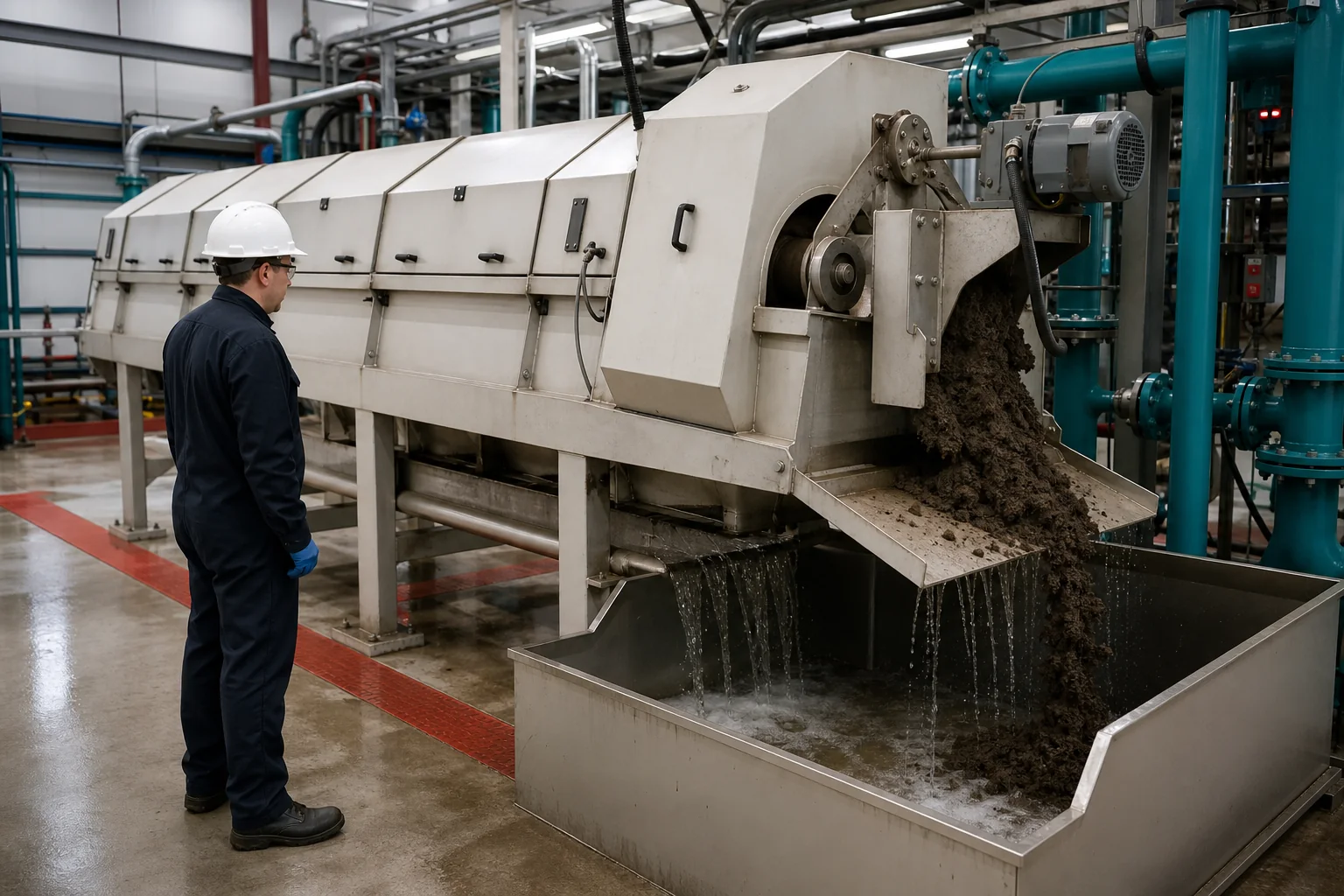
Oily biological sludge is not interchangeable with raw oily wastewater or free-oil separation. A cationic PAM purchase must identify the residual solids and dewatering objective. Oil-related changes can affect handling, but an oil-containing feed does not prove that one polymer is universally suitable.
Identify how the residual is generated
State whether biological solids are combined with flotation residuals or other oil-related streams. Record upstream treatment, solids concentration and representative changes in the feed. Avoid sending only a surface oil layer as a sample of the complete sludge. Explain the normal collection and mixing procedure. The candidate screen should represent the material that actually reaches the dewatering equipment rather than a broad oilfield or refinery label.
Compare conditioning and machine handling
Use controlled preparation and a dose range, recording water release and fines retention. Observe whether the candidate creates difficult feed transport, excessive stickiness or unstable cake handling. For screw pressing, evaluate the installed operating conditions rather than selecting from beaker floc alone. The screw-press diagnosis guide helps connect the conditioning comparison with drainage and cake transport.
Keep contaminant claims separate from dewatering
Successful capture of suspended solids does not demonstrate removal of all dissolved or emulsified constituents, nor does it establish a disposal classification. Agree relevant analytical and handling requirements with the responsible plant team. Record the route of separated liquid and cake. Any broader treatment issue should remain explicit instead of being hidden inside a claim that the polymer makes the sludge safe or the water compliant.
Buy only within the tested feed window
Preserve the product identifier, residual mix, preparation method and measured operating window in the purchase approval. If oil-related loading or upstream chemistry changes materially, revisit the candidate range. Calculate demand from the verified conditioning dose and solids load. Include package handling and delivery scope with the RFQ. The production approval guide separates a promising sample from a justified repeat-supply commitment.
Evidence needed before purchase
Record the actual observation or document reference against each item. If a condition was not tested, keep it visible as an approval limitation. Purchasing, operations and receiving should use the same candidate identifier so a favourable result is not transferred to a different product or unreviewed delivery.
| Decision | Evidence | Release condition |
|---|---|---|
| Residual identity | Biological, flotation and oil-related stream mix | Sample represents the actual press feed |
| Handling | Drainage, capture, transfer and cake behaviour | Candidate remains practical to operate |
| Approval limits | Tested chemistry and downstream requirements | Dewatering is not presented as contaminant removal |
Information to send with the quotation request
Provide the residual source and blend, upstream chemicals, feed solids, relevant oil-related observations and the installed machine. Include current grade, preparation, active dose and the target result. State whether changing production can move the feed outside the sampled conditions.
Include the required quantity, packaging method and destination with the technical evidence. Use the cationic PAM trial and RFQ route for a focused sample review, then confirm documents, packaging and supply scope for the approved product. Gongyi Xinqi Polymer Co., Ltd. can review the application and quotation requirements. Grade suitability, delivery availability and commercial terms need confirmation; no universal dose or guaranteed treatment outcome should be inferred from an application name.
Sample pathway
Send the feed condition and machine target.
A focused sample set starts with representative sludge, active dose, equipment and acceptance data.